
Fish and Wildlife Defense Lawyer in Clearwater, St. Petersburg, and Pinellas County
Florida’s waters are among our state’s most valuable resources, but the laws governing fishing, boating, and marine wildlife can be surprisingly complex. Size limits, bag limits, closed seasons, licensing requirements, approved equipment, and restricted fishing areas may change depending on the species, location, time of year, and whether the activity is recreational or commercial.
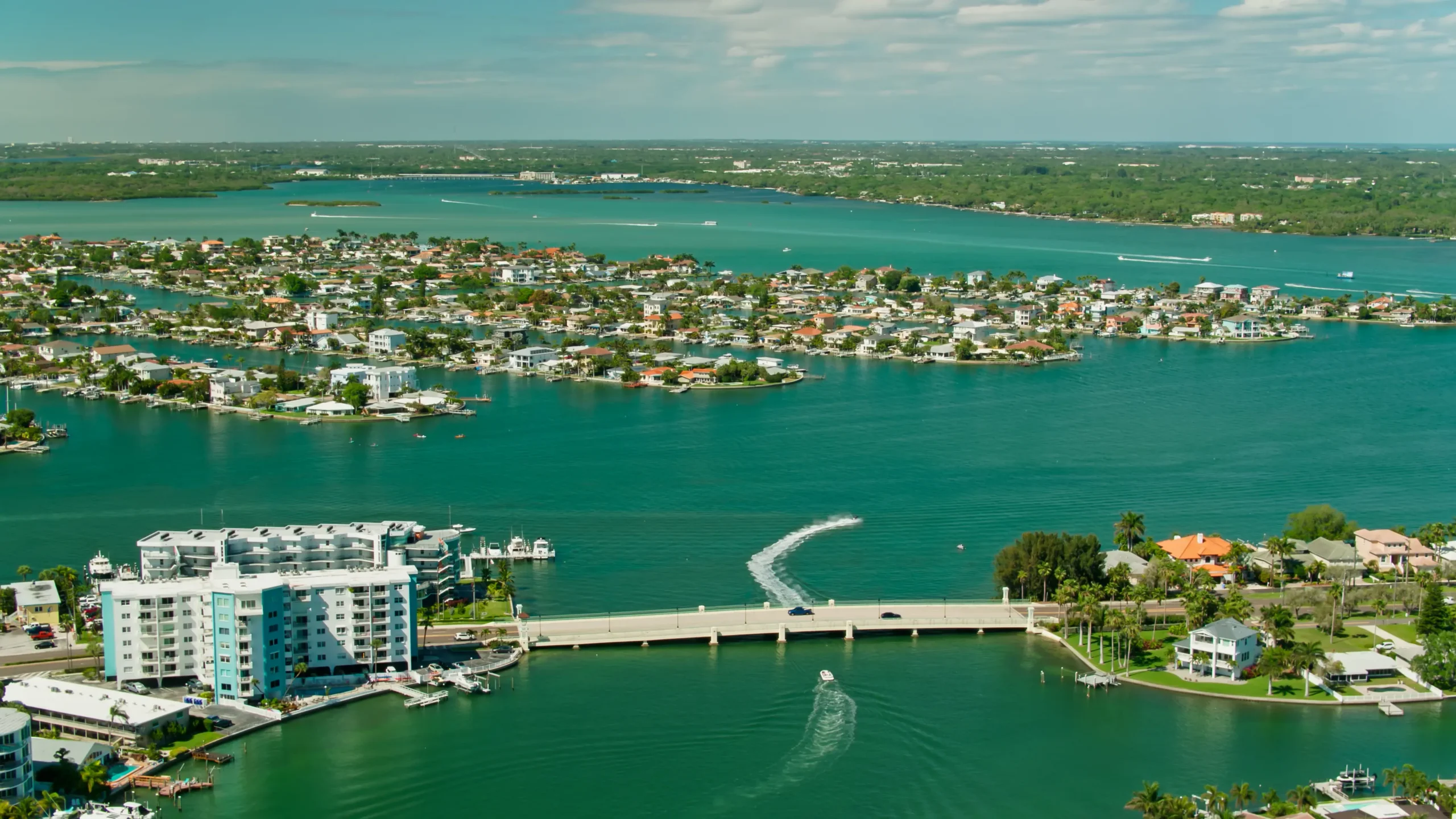
At the Law Office of Timothy Sullivan, our attorneys represent individuals charged with Fish and Wildlife violations throughout Clearwater, St. Petersburg, and Pinellas County. These cases may be filed as felonies, misdemeanors, noncriminal infractions, or local ordinance violations commonly referred to as NCPINs. Even a charge that initially appears minor can lead to fines, court appearances, the suspension of fishing or commercial license privileges, the loss of valuable equipment, or a permanent criminal record.
Florida law classifies many violations involving fishing seasons, size limits, bag limits, landing requirements, and prohibited methods of taking fish as Level Two violations. Other offenses, particularly repeat, commercial, large-scale, or aggravated violations, may carry substantially greater consequences.
Possession of Undersized Fish
Florida establishes minimum and, for certain species, maximum size limits to protect fish populations and promote sustainable harvesting. A person may be cited for possessing an undersized gag grouper, red grouper, snook, snapper, or another regulated species.
These cases may depend on much more than an officer’s initial measurement. Important issues can include:
- Whether the correct measurement method was used;
- Whether the fish was measured with the proper equipment;
- Whether the applicable rule governed the location where the fish was caught;
- Whether the fish was harvested in state or federal waters;
- Whether the fish was properly attributed to the person who received the citation; and
- Whether photographs, measurements, or the fish itself were preserved as evidence.
Florida state waters generally extend from shore to three miles into the Atlantic Ocean and nine miles into the Gulf of Mexico. Different regulations may apply once a vessel enters federal waters.
Possession of Fish During a Closed Season
Many species may only be harvested during designated seasons. The applicable season can depend upon the species, fishing zone, type of fishing, and whether the vessel was operating in state or federal waters.
A closed-season allegation may require the State to prove the identity of the species, the date and location of the harvest, and the defendant’s possession of the fish. When the evidence is based on assumptions, inconsistent statements, or an incomplete inspection, an experienced criminal defense attorney can challenge whether the State can prove each required element.
Exceeding the Daily Bag or Possession Limit
Florida fishing regulations commonly restrict the number of fish that an individual may harvest or possess. Bag-limit cases can become complicated when several people are fishing from the same vessel or storing their catch in a shared cooler or fish box.
The mere presence of illegal fish on a boat does not necessarily establish that every occupant possessed them. We examine who caught each fish, who controlled the storage area, whether the catch was separated or identified, and what statements were made during the inspection.
Fishing Without the Required License
Florida requires most people who take or attempt to take freshwater or saltwater fish to possess the appropriate license, permit, or authorization, although several exemptions may apply. A person who is unable to immediately produce proof of a license may have defenses if the proper license was valid when the citation was issued. Florida law specifically provides a mechanism through which a person may avoid a conviction for failing to possess proof of a license by producing verification that the license was valid at the time of the citation.
Our attorneys examine whether a license was legally required, whether an exemption applied, and whether the individual possessed a valid license that simply could not be produced during the inspection.
Possession of Prohibited or Protected Species
Some fish and marine animals may not be harvested or possessed at all, while others require special permits or tags. Charges involving prohibited, threatened, endangered, or specially regulated species can carry consequences beyond those associated with an ordinary size or bag-limit violation.
The identification of the species is often central to the case. We evaluate the officer’s training, photographs, physical evidence, identification methods, and any inconsistencies concerning the species allegedly possessed.
Illegal Nets, Gear, or Fishing Equipment
Florida regulates the equipment that may be used to take fish and wildlife. Depending upon the circumstances, allegations may involve illegal nets, traps, spearfishing equipment, hook-and-line restrictions, reef-fish gear requirements, or equipment used in a prohibited area.
Net and commercial-equipment cases can be particularly serious. Certain major or repeated violations may result in substantial civil penalties, suspension or permanent revocation of saltwater license privileges, and forfeiture of fishing gear or equipment.
Our attorneys analyze whether the equipment was actually prohibited, whether it was being used or merely transported, whether the gear met applicable measurements and specifications, and whether the State can connect the equipment to the alleged harvesting activity.
Fishing in Restricted or Prohibited Areas
Fishing may be restricted in wildlife management areas, sanctuaries, protected zones, state parks, near bridges or spillways, and other designated locations. Restrictions can also vary based on the species being targeted or the method of fishing being used.
We investigate whether the restricted area was clearly marked, whether the vessel was actually within the prohibited boundary, how the officer determined the vessel’s location, and whether GPS, mapping, body-camera, or vessel-tracking evidence supports the allegation.
Commercial Fishing Violations
Commercial fishing cases may involve:
- Operating without the proper commercial license or endorsement;
- Harvesting products with the intent to sell without the required license;
- Purchasing or selling illegally harvested seafood;
- Failing to maintain required records or reports;
- Using prohibited commercial gear;
- Violating trip-ticket or reporting requirements;
- Possessing fish inconsistent with commercial regulations; or
- Fishing while commercial privileges are suspended.
Commercial cases can threaten more than a defendant’s criminal record. A citation may also jeopardize the person’s livelihood, vessel, equipment, endorsements, and future ability to participate in the fishing industry. Florida law authorizes enhanced penalties and license consequences for certain unlicensed, repeat, and major commercial violations.
Because of those collateral consequences, commercial fishing allegations should be reviewed by a defense attorney before any admissions, payments, or court elections are made.
Boating-Related Resource Violations
Fish and Wildlife officers may inspect vessels, coolers, fish boxes, live wells, gear, licenses, and harvested wildlife. Boating-related resource charges may arise from allegations that a person:
- Failed to maintain fish in an identifiable condition;
- Removed heads, tails, or other identifying features too early;
- Concealed fish during an inspection;
- Mixed catches belonging to several occupants;
- Failed to properly identify harvested fish;
- Obstructed or interfered with an inspection; or
- Provided inaccurate information concerning when or where fish were caught.
These cases frequently turn on possession, knowledge, control, and the statements made by the occupants of the vessel. Before accepting responsibility for fish found in a shared location, it is important to understand the legal and practical consequences of that admission.
Fish and Wildlife Cases Are Not Always Simple Citations
Many people assume that a Fish and Wildlife citation is similar to an ordinary traffic ticket. That assumption can be costly. Florida law distinguishes among noncriminal violations, criminal misdemeanors, felonies, and major commercial violations. Paying a citation may be treated as an admission and a waiver of the right to a county court hearing.
Depending on the charge and the person’s history, potential consequences may include:
- Criminal conviction;
- Jail or probation;
- Court costs and fines;
- Civil or administrative penalties;
- Suspension or revocation of recreational or commercial licenses;
- Forfeiture of nets, traps, vessels, or other equipment;
- Damage to a commercial fishing business; and
- Enhanced penalties for future violations.
For that reason, a person should speak with an attorney before paying the citation, entering a plea, or providing additional statements about the incident.
Defenses to Florida Fish and Wildlife Charges
Every case is different, but potential defenses may include:
- The fish or wildlife was incorrectly identified;
- The officer used an improper measurement method;
- The applicable regulation did not govern the location of the harvest;
- The catch occurred in federal rather than state waters, or vice versa;
- The defendant did not possess or control the fish;
- The fish belonged to another occupant of the vessel;
- A valid fishing license or exemption applied;
- The allegedly prohibited equipment was not being used;
- The State cannot establish when or where the fish was harvested;
- The inspection, detention, search, or seizure exceeded lawful authority;
- Statements were obtained in violation of the defendant’s rights; or
- The evidence is insufficient to establish knowledge or intent.
Our attorneys carefully review the citation, officer reports, body-camera recordings, photographs, measurements, GPS information, vessel records, witness statements, and applicable regulations. Fish and Wildlife cases are highly fact-specific, and a detail that initially appears insignificant may determine whether the State can prove the charge.
Experience That Matters in Fish and Wildlife Cases
Attorney CJ Bauer previously served as a prosecutor with the Pinellas County State Attorney’s Office and was a founding member of its Marine and Wildlife Unit. Through that assignment, he gained firsthand experience evaluating and prosecuting cases involving fishing, boating, marine resources, and Fish and Wildlife enforcement.
That experience provides our defense team with valuable insight into how these cases are investigated, how prosecutors evaluate the evidence, and which factual or legal issues may support a reduction or dismissal.
The Law Office of Timothy Sullivan takes a collaborative approach to criminal defense. Our attorneys work together to investigate the evidence, identify defenses, communicate with prosecutors, and develop a strategy designed to protect the client’s record, license privileges, equipment, livelihood, and freedom.
Why Choose the Law Office of Timothy Sullivan?
Fish and Wildlife cases involve an unusual combination of criminal law, administrative penalties, local ordinances, and constantly changing resource regulations. Successfully defending these cases requires more than simply reviewing the citation. It requires understanding the specific species, season, location, equipment, measurement rules, licensing provisions, and enforcement procedures involved.
Our criminal defense attorneys represent recreational anglers, boat owners, charter operators, commercial fishermen, seafood businesses, visitors, and residents charged with Fish and Wildlife offenses throughout Pinellas County.
If you have received a Fish and Wildlife citation, NCPIN, notice to appear, misdemeanor charge, or felony charge in Clearwater, St. Petersburg, or Pinellas County, contact the Law Office of Timothy Sullivan at 727-855-3847 to schedule a free consultation. The sooner our attorneys become involved, the sooner we can preserve evidence, investigate the circumstances, and begin protecting your rights.
